Snapchat is a vibrant platform that has made digital communication not only fun but full of abbreviations, slang, and emojis that are constantly evolving. One of the terms you might come across when chatting with friends or browsing stories is “TS.” If you’re unsure about its meaning, don’t worry — you’re not alone. This guide will help clarify what TS means on Snapchat, why people use it, and when to use it in conversation.
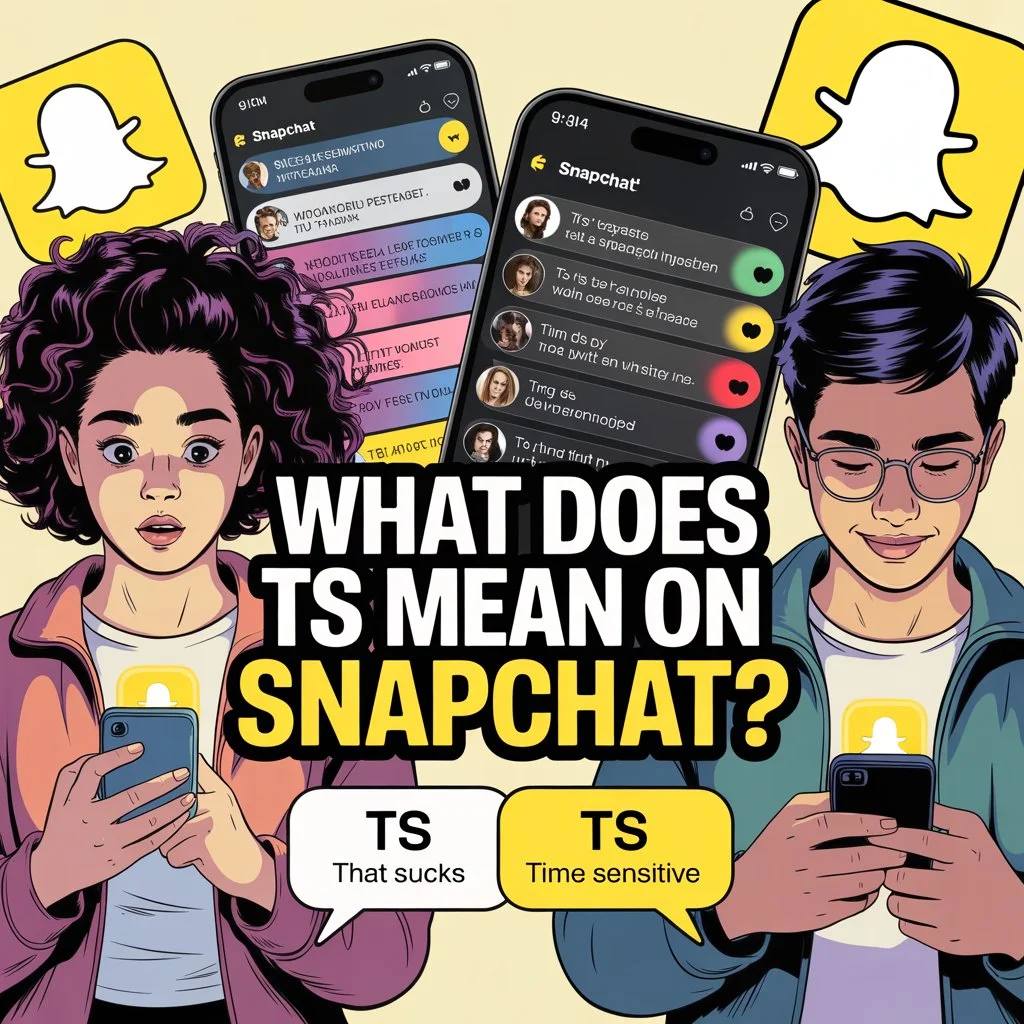
On Snapchat, TS usually means “that’s sweet” or “thanks so much.” It’s a casual way to express appreciation or admiration. However, in some contexts, it can stand for “total stranger” or even “time sensitive.” Like most slang, its meaning depends on the conversation and context, so understanding when and how to use it is key.
Whether you’re trying to decode a message, impress someone with your slang knowledge, or simply keep up with your friends’ conversations, this guide will cover everything you need to know about TS.
TS – Quick Meaning
TS in Snapchat slang can stand for different things, depending on the context. Here are the main meanings:
- TS = “That’s Sweet”
Used to express admiration or approval. It’s a casual, positive response when something impresses you or when someone shares something you like. - TS = “Thanks So Much”
A shorthand way of saying “thank you” with more emphasis. It’s a way to express gratitude quickly and casually. - TS = “Total Stranger”
Sometimes used to describe someone you don’t know personally, especially if you’re talking about meeting new people or discussing online interactions. - TS = “Time Sensitive”
In some cases, it’s used to highlight something that’s urgent or requires immediate attention.
Examples:
- “Wow, you helped me out a lot today! TS!” (Thanks so much)
- “That sunset photo is TS!” (That’s sweet)
- “I just added a total stranger to my Snapchat” (Total stranger)
- “This task is TS, I need it done ASAP!” (Time sensitive)
The most common meaning on Snapchat is “that’s sweet” or “thanks so much,” especially when responding to compliments or acts of kindness.
Origin & Background
Like many internet slang terms, TS has evolved from informal speech and text shortcuts. Snapchat, known for its fleeting messages and informal style, popularized the use of acronyms and abbreviations. The rise of emoji culture, which embraces brevity and visual expression, likely influenced the development of terms like TS.
Cultural Influence:
Snapchat users, particularly younger generations (Gen Z and Millennials), thrive on expressing themselves in short, quick bursts of communication. Slang and abbreviations allow them to connect faster, especially in an environment where stories and chats are short-lived.
The use of TS fits this digital communication model, offering an easy way to acknowledge something positive or express thanks without writing long sentences. It reflects the casual, rapid-fire nature of social media, where context is key.
Social Media Impact:
Snapchat, along with other platforms like Instagram and TikTok, helped to popularize terms like TS. Social media culture emphasizes informality, speed, and ease. As users look for ways to communicate with minimal effort, acronyms like TS allow people to maintain fluid, engaging conversations while still conveying the intended emotions.
Real-Life Conversations
Person A:
“Thank you for helping me with the project today!”
Person B:
“TS! Glad I could help!”
Instagram DMs
Person A:
“Just posted a new video, check it out!”
Person B:
“TS, love your content!”
TikTok Comments
Person A:
“That dance was awesome!”
Person B:
“TS, you nailed it!”
Text Messages
Person A:
“I’m heading out to meet a total stranger I just added here.”
Person B:
“Wow, bold move! TS though, enjoy meeting new people.”
These examples show how TS is used in casual, positive conversations. Whether you’re expressing thanks or complimenting someone, TS helps keep things lighthearted and brief.
Emotional & Psychological Meaning
The use of TS often conveys positive emotions. It’s about making the conversation feel more personal, supportive, or appreciative.
What Emotion Does It Express?
TS expresses positivity, gratitude, and sometimes admiration. It’s a shorthand way of saying “I appreciate you” or “That’s awesome!” without sounding too formal.
Why Do People Use It?
People use TS because it feels informal and friendly. It allows users to acknowledge something without the pressure of a long response. Whether it’s thanking someone for a kind gesture or complimenting their style, TS provides a way to express emotion quickly, and in a way that feels natural.
What Does It Reveal About Modern Communication?
In today’s world of fast-paced digital communication, users often look for ways to communicate emotions and opinions quickly. Shortened terms like TS allow for faster responses while still expressing meaning. It shows that modern communication values convenience without sacrificing emotional connection.
Here’s an example: Imagine your friend shares their creative work with you. Instead of writing a lengthy response, you send, “TS!” This single abbreviation is enough to show your approval and appreciation in a matter of seconds.
Usage in Different Contexts
Social Media
On Snapchat, TS is commonly used to express admiration or gratitude, often as a response to something someone shares. It’s a go-to response when commenting on someone’s post, especially when the content resonates with you.
Friends & Relationships
Among friends, TS is a great way to acknowledge a compliment, a thoughtful gesture, or just to keep a conversation moving quickly. It’s informal, easy to use, and helps keep the tone light.
Work / Professional Settings
TS is not typically used in professional or formal contexts. In work-related conversations, especially those with clients, colleagues, or superiors, it’s best to avoid slang and use full phrases like “thank you” or “I appreciate that.”
Casual vs Serious Tone
TS is primarily casual. It fits perfectly into friendly, laid-back conversations. However, using TS in a serious or emotionally intense discussion might come off as dismissive or overly casual. In situations where empathy or a more thoughtful response is required, it’s best to use more formal language.
When NOT to Use It
While TS is fun and casual, there are times when it may not be appropriate:
- Professional Settings: Avoid using slang like TS in work emails, meetings, or business-related communications.
- Sensitive Topics: If someone is opening up about something difficult or personal, using TS may seem too flippant or dismissive.
- Cultural Sensitivity: In some cultures, informal abbreviations can be seen as disrespectful or too casual, especially in formal settings or when speaking with elders.
For example, if a colleague thanks you for a big project achievement, responding with TS might not convey the appropriate level of professionalism or respect.
Common Misunderstandings
One of the main misunderstandings around TS is assuming it always means “total stranger”. While TS can sometimes refer to someone you don’t know well (or at all), its more common use on Snapchat is “that’s sweet” or “thanks so much”.
Tone Confusion:
- In some conversations, TS might sound too casual or insincere. It’s important to use TS in contexts where informal language is understood and appreciated.
Literal vs Figurative Meaning:
- “TS” as “that’s sweet” can be figurative, meaning the content is appreciated, beautiful, or emotionally resonant. Don’t confuse it with a literal response to something “sweet” in terms of taste.
Comparison Table
| Slang | Meaning | Example Use | Similar Terms |
|---|---|---|---|
| TS | For sure / That’s sweet / Thanks so much | “TS, I love it!” | “FS,” “Thanks” |
| LOL | Laugh Out Loud | “That’s hilarious, LOL!” | “LMAO,” “ROFL” |
| OMG | Oh My God | “OMG, that’s incredible!” | “WTF,” “What?!” |
| TBH | To Be Honest | “TBH, I’m not sure” | “Honestly,” “For real” |
| PFP | Profile Picture | “Love your new PFP!” | “DP” |
| ICYMI | In Case You Missed It | “ICYMI, here’s the update” | “FYI” |
| BFF | Best Friends Forever | “You’re my BFF!” | “Bestie” |
| SMH | Shaking My Head | “SMH, can’t believe that happened” | “Facepalm” |
| FOMO | Fear of Missing Out | “I’m feeling major FOMO” | “Jealous” |
| YOLO | You Only Live Once | “YOLO, let’s do it!” | “Carpe Diem” |
Key Insight:
TS is a versatile, casual slang term used mostly in Snapchat chats to express positivity, gratitude, and support. Whether you’re agreeing with a friend, responding to a compliment, or acknowledging something sweet, TS is a shorthand that keeps conversations flowing naturally and with warmth.
Variations / Types
- TS = Thanks So Much
A quick way to show gratitude.
“TS for helping me out today!” - TS = That’s Sweet
Used when something is kind or impressive.
“That’s sweet of you to say!” - TS = Time Sensitive
A term used to highlight urgency.
“This report is TS, please get it done ASAP.” - TS = Total Stranger
Refers to someone you don’t know well.
“I just added a TS on Snapchat.” - TS = Total Success
Used for positive results or achievements.
“That event was TS!” - TS = Tough Situation
Refers to something challenging or hard.
“We’re in a TS, let’s focus on fixing it.” - TS = Totally Stoked
A casual way to say you’re excited.
“I’m TS for this weekend!” - TS = Still Thinking
A pause to make a decision.
“TS if I’ll go or not.” - TS = Team Spirit
A supportive, collective effort.
“We won because of our TS.” - TS = Too Soon
Used when something feels rushed.
“TS for me to make a decision.”
How to Respond When Someone Uses It
Casual Replies
“TS, that’s awesome!”
“FS, I totally agree.”
“TS, sounds great!”
“Absolutely, TS!”
Funny Replies
“TS! You know it!”
“TS, my favorite thing today!”
“Really, TS? Haha!”
“TS, let’s go!”
Mature Replies
“TS, I appreciate it.”
“That’s sweet, TS.”
“Thanks so much, TS.”
Respectful Replies
“TS, I’m grateful.”
“TS, that means a lot to me.”
“Thank you, TS.”
Regional & Cultural Usage
Western Culture
In Western culture, TS is often used casually across texting platforms like Snapchat, Instagram, and Facebook. It’s especially common in informal contexts, where quick responses are encouraged.
Asian Culture
In many Asian cultures, particularly South Asia, TS is used interchangeably with other forms of gratitude or admiration. Its meaning of “thanks so much” or “that’s sweet” is widely understood among young people on platforms like WhatsApp and Instagram.
Middle Eastern Culture
In Middle Eastern cultures, TS is less common in traditional conversations but has started to catch on with younger generations in online spaces. It’s mostly used among friends and in casual chats.
Global Internet Usage
Globally, TS is part of the growing trend of digital shorthand. It is used across many countries on various social media platforms, including Snapchat, Instagram, and WhatsApp. Its main meaning of “that’s sweet” or “thanks so much” makes it universally applicable in casual, friendly conversations.
Generational Differences (Gen Z vs Millennials)
While TS is primarily used by Gen Z, Millennials also use it in casual texting and social media comments. However, older generations might not be as familiar with the term. It’s generally best used among peers or in relaxed, informal conversations.
Is It Safe for Kids?
Yes, TS is generally safe for kids to use, especially when it means “that’s sweet” or “thanks so much”. However, parents should monitor the use of slang, especially in more complex or sensitive contexts, such as when TS might mean “time sensitive” or “total stranger”.
FAQs
What does TS mean on Snapchat?
On Snapchat, TS most commonly means “that’s sweet” or “thanks so much.”
Can TS mean “total stranger”?
Yes, in certain contexts, TS can mean total stranger, especially when referring to people you don’t know well.
Is TS used on Instagram?
Yes, TS is often used on Instagram to express admiration, gratitude, or positivity. It’s especially common in replies to stories and posts.
What’s the difference between TS and FS?
TS usually means “that’s sweet” or “thanks so much,” while FS means “for sure.” Both are used to express agreement or admiration but are slightly different in tone.
Is TS appropriate for formal settings?
No, TS is slang and best used in informal or casual settings. In professional contexts, it’s better to use full phrases like “thank you” or “I appreciate that.”
What does TS mean in texting?
In texting, TS usually means “that’s sweet” or “thanks so much”. It’s a quick and friendly response.
How do I use TS in a conversation?
You can use TS to show gratitude, compliment someone, or express admiration. For example, “TS for the kind words!” or “That’s TS, I love it!”
What’s the best way to respond to TS?
Responding to TS is easy. You can say things like “TS!” or “Glad you liked it!”
Why is TS so popular on Snapchat?
TS is popular on Snapchat because it’s short, quick, and fits the informal, fast-paced nature of Snapchat conversations.
Conclusion
In Snapchat, TS can mean a lot of things depending on the situation, but “that’s sweet” or “thanks so much” are the most common meanings. Its popularity stems from the need for short, simple expressions that convey positivity and appreciation. While it’s mostly used casually, understanding TS and how to use it effectively will help you connect with others in a fun, meaningful way.
So next time you see TS, you’ll know exactly what it means, and how to use it confidently in your conversations!